
What is Integrative Medicine?
Put simply, it is the simultaneous application of conventional Western medicine and complementary health practices, with the sole purpose of securing improved patient outcomes.
It listens to and addresses symptoms while also focusing on underlying contributors to health concerns.
It takes both a small picture and large picture viewpoint to each case.
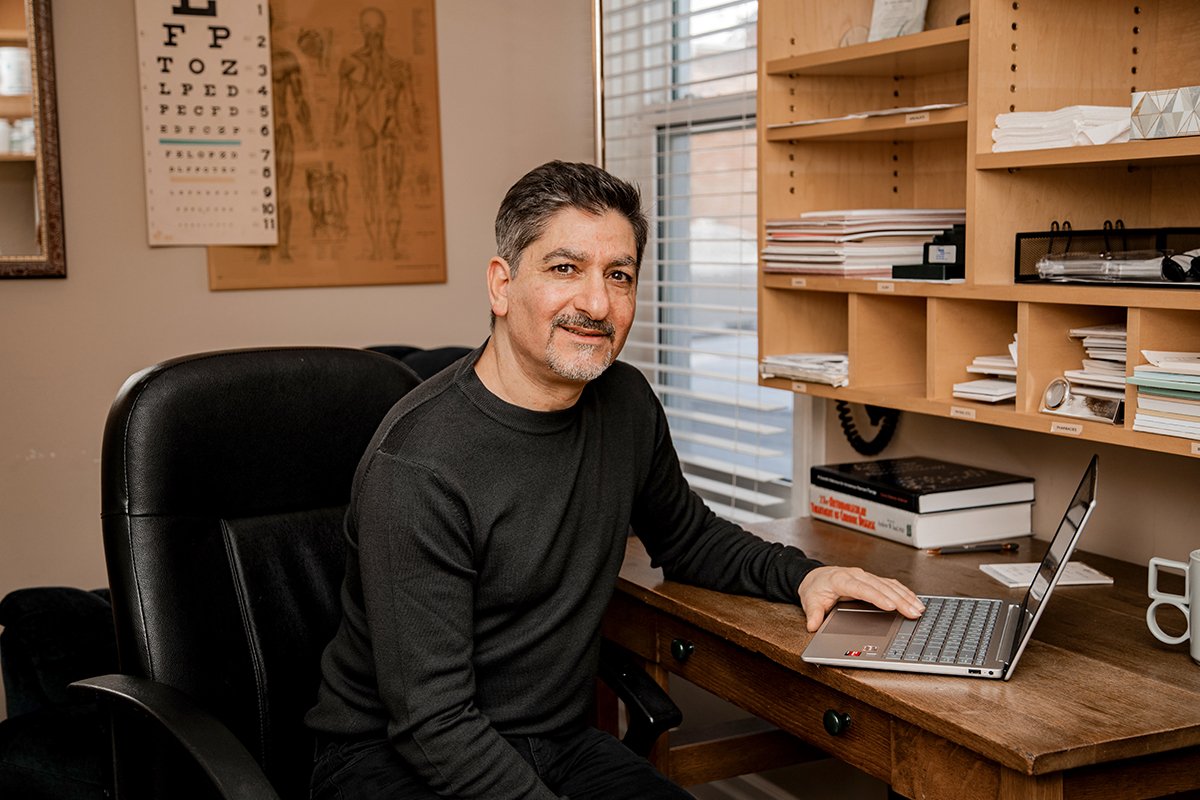
“It’s always been about bridging a gap for me. In the beginning it felt like walking a tightrope… a solo act almost. Later like a plank, far from sturdy. It’s now a bridge, with more people getting on every day… much more solid but with far more work to do.”
- Dr. Gannage, on the practice of Integrative Medicine
Place the Patient at the Centre
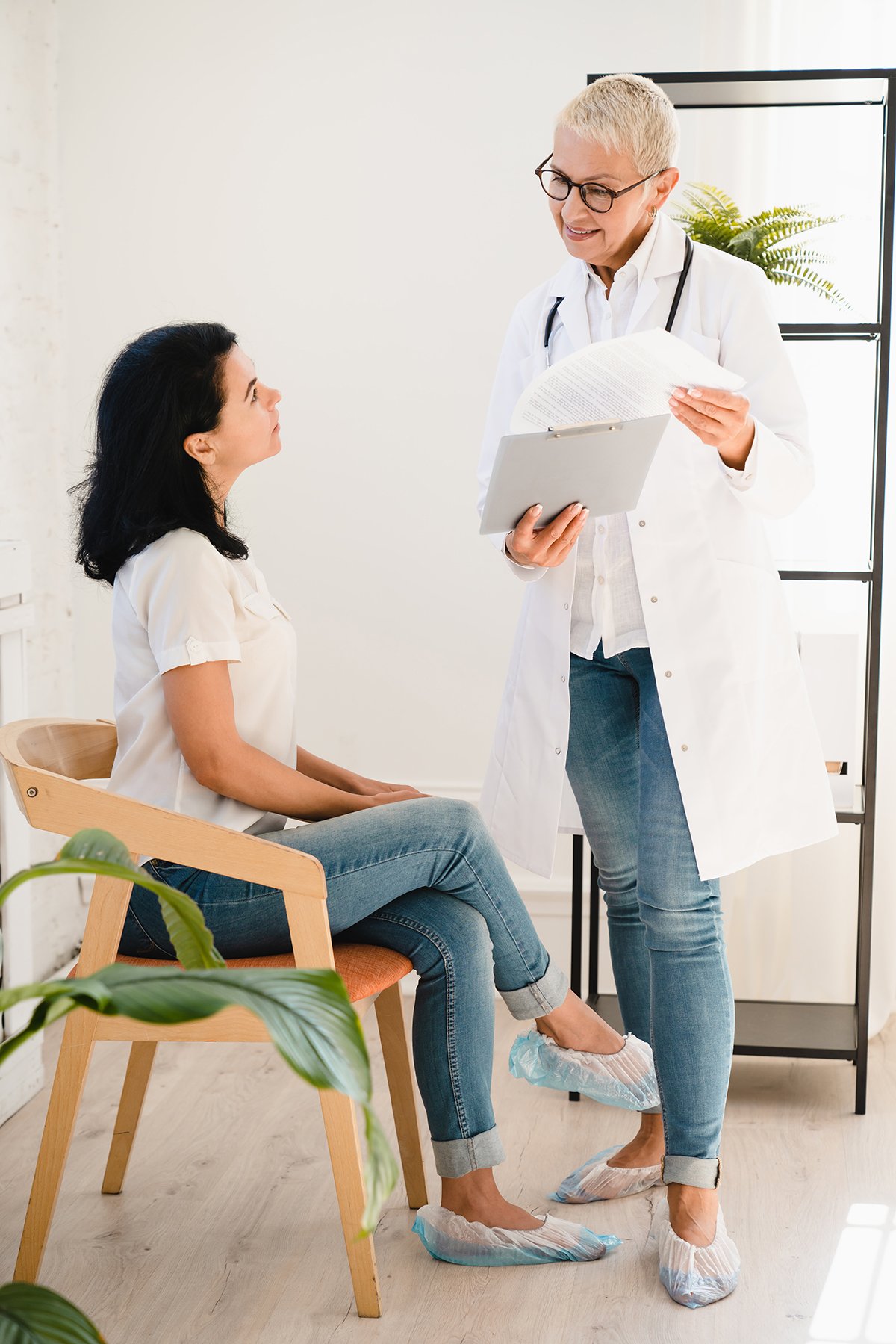
The word “Integrative” is used not only because of the combined philosophies/procedures, but also because the premise of its approach is founded upon integrating the patient consultatively in decision-making and choices. Patient awareness and accumulation of knowledge are encouraged. It inherently requests that patients be involved therapeutically as well, if only in the area of therapeutic lifestyle changes. Patient responsibility, the ability to respond with positive action, is a cornerstone.
It offers individualized, personalized care, in consideration of the uniqueness and preferences of each patient.
The word “Integrative” is also used because the root word, “integral”, is defined as: “of or belonging as an essential part of whole” and “composed of parts that together constitute a whole”. An essential component of the application of Integrative Medicine is the holistic manner in which a patient, a health problem and healthy solutions are perceived. The word “health” is derived from the word “whole”. Thus human health and healing must address the multi-planes of our existence –the physical, emotional, mental and spiritual. Integrative Medicine understands and applies these aspects.
Connect Helping Collaborators with Each Other
Integrative Medicine allows for access to information regarding health and treatment modalities beyond a single paradigm, and therefore is not dogmatic in its application. With the co-emergence of new technologies on one hand, and alternative, less interventional modalities on the other, Integrative Medicine is necessary medicine.
Integrative Medicine essentially involves a health practitioner with keen knowledge of, and access to, procedures and treatments on both sides of the ledger. The practitioner bridges the gap, to the benefit of the patient. Another option, with the advent of regulated health professionals from Naturopathy, Homeopathy and other modalities, is to build a team of collaborative practitioners to share information and care, be it at one location or not.

Rely on Sophisticated, Disciplined Evidence
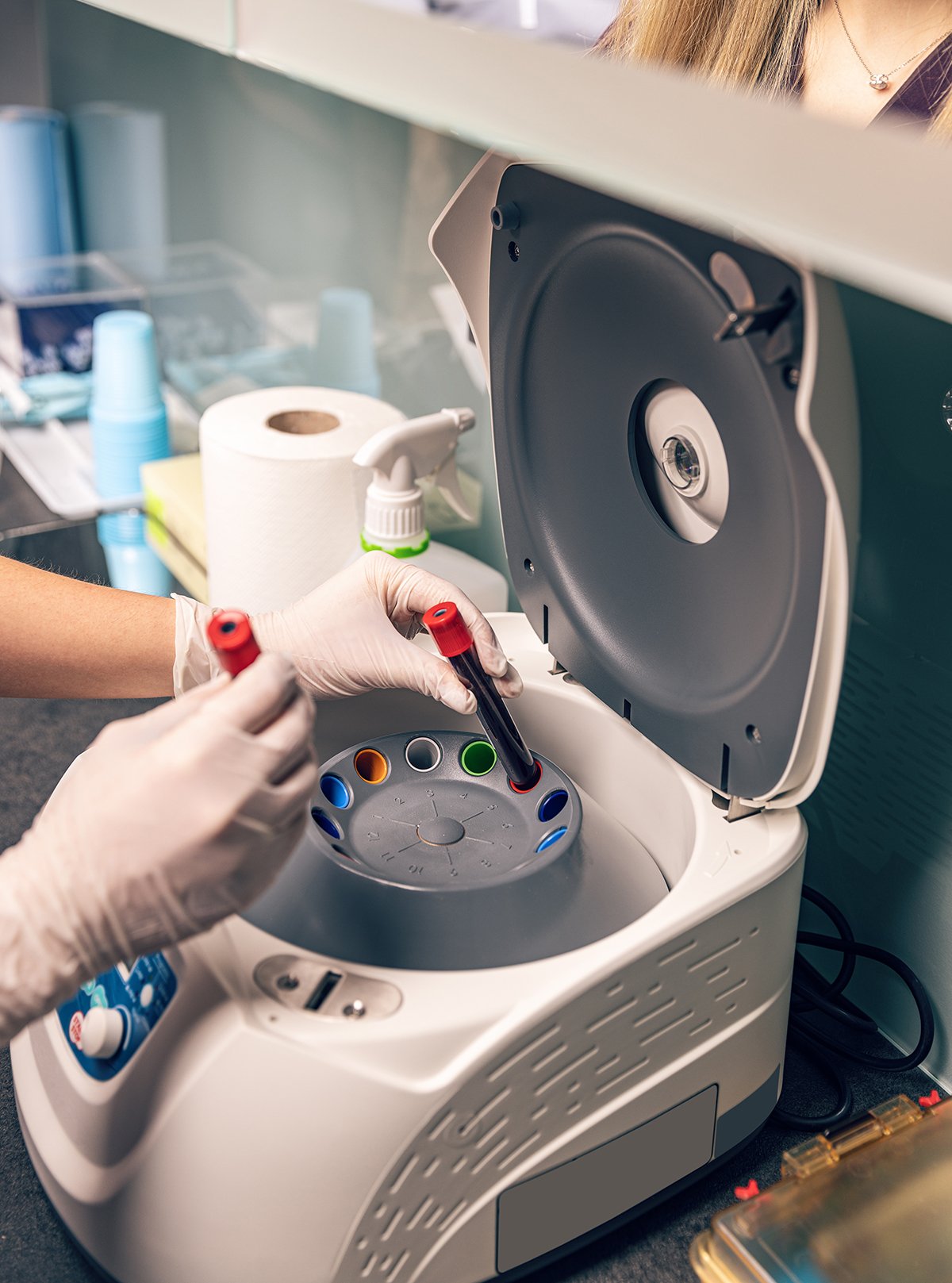
Regardless of the exact model, there is access to blood tests and imaging, and also to alternative laboratory procedures; to pharmaceuticals and to nutraceuticals; to allopathic approaches and to homeopathic ones, in some cases; to reductionist science and holistic perspectives. Such polarities are needed to find solutions to today’s complicated and complex health problems, to offer the best that we have in covering the entire spectrum of possibilities and solutions. The emerging trend of treating cancer, for example, with mainstream chemotherapy and radiation but combined with application of nutrition theory, intravenous nutrients, botanicals and homeopathics, can provide the patient with evidence-based options, improved outcomes and better treatment tolerability.
Integrative Medicine is both the science and the art of medicine. Further, it applies science to the art, and art to the science – each essential, and each part of the whole.
No-Nonsense Functional Medicine
Specializing in root-cause focused, integrative medicine for chronic illness for 30 years
