

When it comes to thyroid function in kids, many parents mistake struggles with mood, energy, or growth as mere seasonal changes or even allergies. But as a functional, integrative practitioner, I’ve seen how undiagnosed thyroid imbalance, especially mild or subclinical forms can quietly impact a child’s energy, mood, growth, and neurodevelopment.
Why the Thyroid Matters in Childhood
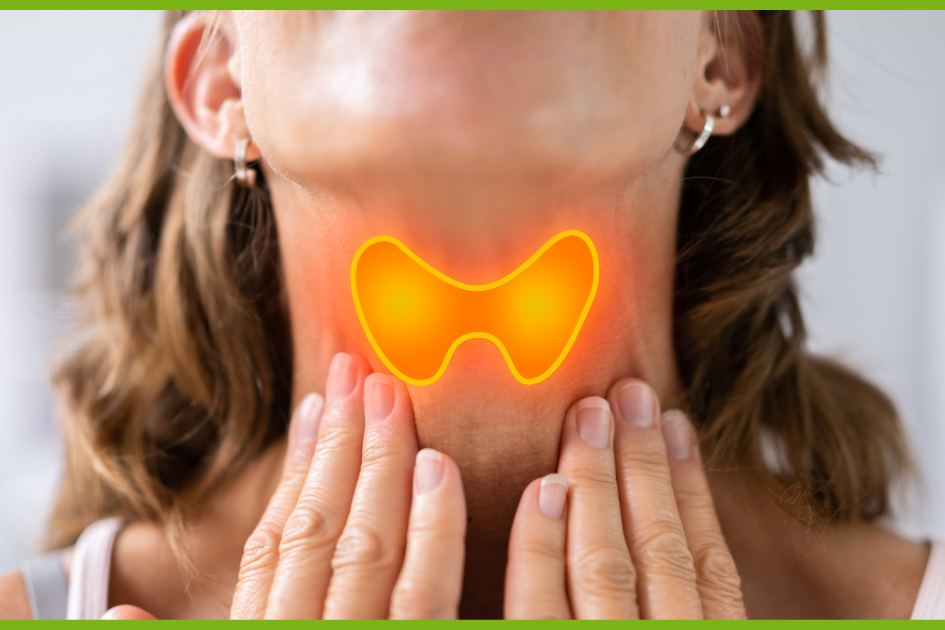
The thyroid gland produces key hormones, T4 and active T3, that influence nearly every organ system. These hormones manage metabolism, body temperature, digestion, heart rate, mood, growth, and cognitive development (1, 3). In children, thyroid function is essential for normal neurological wiring, linear growth, and hormone balancing. When function is impaired whether by autoimmune inflammation (Hashimoto’s) or iodine deficiency, the consequences can ripple from effects on energy and temperament to attention and height (2).
Common Causes of Thyroid Imbalance in Kids
Congenital Hypothyroidism
Detected at birth via newborn screening, untreated congenital hypothyroidism can lead to intellectual disability and growth delay. Prompt treatment with levothyroxine prevents most deficits, but subtle differences in IQ and development may persist (2, 4).
Acquired or Autoimmune Hypothyroidism
Hashimoto’s thyroiditis, the immune system attacking the thyroid, is the most common cause of acquired hypothyroidism in children and adolescents (3). This slow decline can begin with mild TSH elevation and evolve over months to years, affecting growth, mood, memory, and metabolism (3, 5).
Early Signs You Shouldn’t Dismiss
Identifying thyroid imbalance early gives children a better chance for recovery. Look for these clues:
- Delayed Growth or Short Stature
Children with even mild hypothyroidism often grow slower than peers with delayed bone age or height velocity that lags over time (2, 4). - Energy & Mood Shifts
Fatigue, low motivation, depressive symptoms, weight gain, constipation, and cold intolerance are classic, but subtle in hypothyroid children (2, 3). Hyperthyroidism (rare in kids) can present with anxiety, rapid heart rate, and increased growth that slows puberty (5). - Cognitive & Emotional Impact
Studies show that children with subclinical hypothyroidism score lower on emotional intelligence and have correlated lower serotonin levels suggesting impacts on mood, self‑regulation, and social adaptation (1). - Skin, Hair & Physical Signs
Dry skin, brittle hair, pale complexion, slow reflexes, delayed tooth eruption, cold hands, or fluid retention alongside decreased appetite suggests a metabolic slowdown (2, 3, 6).
Why Functional Medicine Matters
Rather than waiting for overt thyroid hormone derangements, functional medicine promotes early detection, holistic support, and root-cause evaluation (1, 5). This includes:
- Full thyroid panels beyond TSH such as free T3, free T4, thyroid antibodies, reverse T3 to catch early dysfunction
- Evaluating adrenal health, micronutrient status (iodine, selenium, iron, vitamin D), gut integrity, inflammation, and environmental triggers
- Lifestyle and nutritional supports like sea/mineral salt (iodine), gut-healing nutrients, and anti-inflammatory dietary shifts (5)
What a Functional Protocol Can Include
- Optimized nutrition: Ensure adequate iodine, selenium, iron, and zinc via wild fish, leafy greens, legumes, and high-quality supplements as needed.
- Balanced immune support: In cases of Hashimoto’s, low-dose selenium and vitamin D have evidence for reducing antibodies and modulating inflammation.
- Gut & hormone synergy: A healthy microbiome and reduced toxic burden support T4 to T3 conversion and energy metabolism.
- Movement + rest: Gentle movement, regular sleep, hydration, and stress reduction support thyroid hormone optimization.
Two Quick Signs of Pediatric Thyroid Red Flags
Red Flag Signs in Daily Life:
- Unexplained growth lag or catching up
- Persistent fatigue despite rest
- New mood shifts or school performance drop
When to Consider Functional Evaluation:
- Family history of autoimmune disease or thyroid disorders
- Multiple mild symptoms cluster (cold intolerance, hair thinning, constipation)
- Elevated TSH with normal T4/T3 or antibody positivity early
Why The Integrative Approach Works
By focusing on hormone circuits and metabolic health, not just lab values, functional medicine helps children recover energy, mood, and daytime function, rebuild healthy growth trajectories, navigate puberty and cognitive development with resilience, and avoid cascading hormonal imbalances in adolescence.
Next Steps
If your child is tired, struggling at school, lagging in growth, gaining weight despite decreased appetite, or showing mood shifts especially alongside gut issues or other immune symptoms it may be time to look deeper.
Functional medicine provides a safe, personalized roadmap to thyroid balance and whole-body support empowering families to address energy, growth, and development in harmony.
Book a consultation today to explore a full thyroid and metabolic approach tailored to your child’s unique story.
References
- Arianas, G. K., et al. (2022). Emotional intelligence scores in children and adolescents with subclinical hypothyroidism—correlation with serum serotonin and TSH concentrations. Hormones and Behavior, 21, 53–60.
- Papadopoulou‑Mourkidou, E., et al. (2024). The Impact of Acquired Hypothyroidism on Growth and Development in Children. Children, 12(3), 272.
- American Thyroid Association. (2024). Hypothyroidism in Children and Adolescents. ATApediatrics.org.
- Rupa Health. (2023). How To Detect Hypothyroidism in Children and Adolescents – A Functional Medicine Approach. Rupa Health.
- Cloyd, K. (2025). Integrating Functional Medicine in Pediatric Endocrinology: Thyroid & Adrenal Health. Rupa Health.
- AAP Pediatric Review. (2021). Thyroid Disorders. Pediatrics in Review, 42(11), 604–618.
You Might Also Like...
Thyroid Health, Toxic Metals & Fertility Before Pregnancy
Preparing for a healthy pregnancy starts before conception. Thyroid function, nutritional status, and environmental…
Mast Cells: What They Do, Symptoms and Why They Matter
If you've ever wondered why one patient reacts to a bee sting with a rash and another with a trip to the emergency…
No-Nonsense Functional Medicine
Specializing in root-cause focused, integrative medicine for chronic illness for 25+ years
