

Heavy metals like lead, cadmium, mercury, arsenic are everywhere, and even small, chronic exposures can place stress on the body’s detox systems. But not everyone reacts the same. Some people accumulate metals more readily, others detox them with ease. The reason often lies in genetics and epigenetics: the interplay between inherited detox pathways and how environmental exposures “reprogram” those pathways over time. Understanding this dynamic is central to functional medicine because it gives us both insight and leverage over how to support detox capacity.
Why we should care about heavy metals
Heavy metals exert toxicity through oxidative stress, interference with enzyme systems, mitochondrial dysfunction, and damage to DNA. In the brain, they can impair cognition; in the liver and kidneys, they burden filtration; systemically, they disrupt endocrine, immune, and metabolic systems (1). A recent systematic review confirmed that higher levels of heavy metals such as cadmium and mercury correlate with worse neurocognitive performance in adults. (2)
Yet not all individuals with measurable metal burden manifest symptoms. That discrepancy points to detox resilience, which depends heavily on how well one’s genes and epigenetic regulation support the necessary pathways for metal clearance.
The genetic and epigenetic foundations of detox
Our bodies detox heavy metals through a few core systems: metal-binding proteins (metallothioneins), phase II conjugation enzymes (e.g. glutathione-S-transferases), methylation, and biliary or urinary excretion. The genes encoding these systems (e.g. GSTs, MT, SLC transporters) often carry variants (SNPs) that reduce efficiency. Moreover, heavy metal exposure itself can modify gene expression via epigenetic changes—DNA methylation, histone modifications, and microRNAs—to suppress or dysregulate detox genes. (3)
For example, a recent human study of long-term metal exposure found altered methylation in genes such as NFKB1, CDKN2A, ESR1, and IGF2 in metal-exposed individuals compared to controls (4). That suggests exposure does not simply stress detox processes, but may rewire them epigenetically in ways that compromise future resilience.
Other research shows that exposures in utero can imprint epigenetic marks affecting metal response later in life. Lead exposure during prenatal periods is associated with enduring methylation changes in genes tied to neurodevelopment and detox pathways, modifying one’s susceptibility across the lifespan. (5)
Thus, genetics loads the gun (ability to detox) and epigenetics pulls the trigger over time (whether that ability is switched on or off).
How environmental and lifestyle factors influence epigenetic “rewiring”
Once heavy metals begin to accumulate, they can further disrupt epigenetic regulation. Some metals (arsenic, nickel, cadmium) are known to inhibit DNA methyltransferases or alter histone acetylation, creating feedback loops that impair detox gene expression (6). Animal and cellular studies confirm that heavy metal exposures can induce promoter hypermethylation of key genes (for example, Oct4, Sox2) and disrupt differentiation pathways (7).
Lifestyle influences the epigenetic landscape too. Diets deficient in methyl donors (folate, B12, choline), antioxidant deficiency, chronic inflammation or oxidative stress, and poor mitochondrial function all worsen epigenetic dysregulation. In effect, poor lifestyle inputs turn already vulnerable detox genes further down, making it harder to recover.
Another key mediator: the gut microbiome. Heavy metals can disrupt microbial balance; in turn, certain microbes influence epigenetic regulation of the liver and detox organs. Some probiotic strains have demonstrated capacity to bind heavy metals in the gut, reduce absorption, and thereby lessen the burden placed on systemic detox pathways. (8)
Clinical implications and strategies for supporting detox capacity
From a functional medicine standpoint, we can’t change your genetic variants. But we can nurture the epigenetic environment so that your detox genes are expressed optimally. Here are foundational strategies:
1. Optimize methylation and cofactors
Support methyl donor pathways with methylated folate, B12, B6, betaine, magnesium, and riboflavin. These support DNA methylation machinery so detox genes can be properly expressed.
2. Support glutathione and conjugation systems
Boost glutathione, N-acetylcysteine, taurine, selenium, and sulfur-containing precursors. Ensure cofactor nutrients for GST enzyme activity.
3. Use targeted nutrients and epigenetic modulators
Compounds like sulforaphane, curcumin, resveratrol, quercetin, and EGCG have shown capacity to modulate epigenetic regulators (histone deacetylases, DNA methyltransferases). These help “unlock” detox genes in some contexts.
4. Minimize further heavy metal exposures
Reduce sources from water, food, air (e.g., fish mercury, industrial pollution, lead plumbing). Ensure safe cookware by avoiding aluminum, lead solder, and certain ceramics.
5. Support gut health and microbial resilience
Use probiotics and prebiotics strategically. A healthier microbiome helps modulate absorption and excretion of metals and supports epigenetic regulation in liver and gut tissues.
6. Antioxidant and mitochondrial support
Because heavy metals drive oxidative stress, reinforce energy systems with nutrients like coenzyme Q10, PQQ, nicotinamide riboside, and mitochondrial antioxidants.
7. Consider detox modalities judiciously
Under professional oversight, chelation or binding protocols may be appropriate for those with verified metal burden. But these must be done carefully so as not to disrupt mineral balance or overwhelm elimination capacity.
What to expect and timeline
Epigenetic change is not instantaneous, it often unfolds over weeks to months. Clinically, patients may see incremental improvements in energy, cognition, mood, or biomarkers as detox capacity improves. Lab improvements (e.g. urinary metal excretion, reduced oxidative stress markers) tend to lag behind symptomatic improvements.
Periodic retesting of metal burden, methylation markers and detox gene panels helps calibrate interventions.
Next Steps
Through functional testing, advanced genetic and epigenetic evaluation, and targeted nutritional and lifestyle strategies, you can support your body in reclaiming better detox capacity. You don’t have to live under the burden of heavy metals. Book a consultation to discover your unique detox strengths and vulnerabilities and build a personalized plan to help protect your brain, organs, and long-term resilience.
References
- Abd Elnabi, M. K., E-Nour, A. M. “Toxicity of Heavy Metals and Recent Advances in Their Remediation.” Toxics, 11(7), 580 (2023).
- Althomali, R. H., Abbood, M. A., Saleh, E. A. M., et al. “Exposure to heavy metals and neurocognitive function in adults: a systematic review.” Environmental Sciences Europe, 36, Article number: 18 (2024).
- Kim, N., “Epigenetic toxicity of heavy metals: implications for stem cell differentiation and disease risk.” Environment International, 193 (2024).
- Stepanyan, A., et al. “Long-term environmental metal exposure is associated with methylation changes in NFKB1, CDKN2A, IGF2, ESR1 genes.” Clinical Epigenetics, 15, Article 36 (2023).
- Klibaner-Schiff, E., et al. “Environmental exposures influence multigenerational epigenetic modifications: lead exposure in utero and effect on child methylation.” Clinical Epigenetics, 16, Article 62 (2024).
- Romanò, A., et al. “Review: Epigenetics — A link between toxicants and disease.” Elsevier Toxicology, (2025).
- Kim, N., “Epigenetic toxicity of heavy metals (stem cell focus).” Environment International, 193 (2024).
- Cart, C. “Probiotic Potential for Heavy Metal Detoxification.” Institute for Functional Medicine (2025).
You Might Also Like...
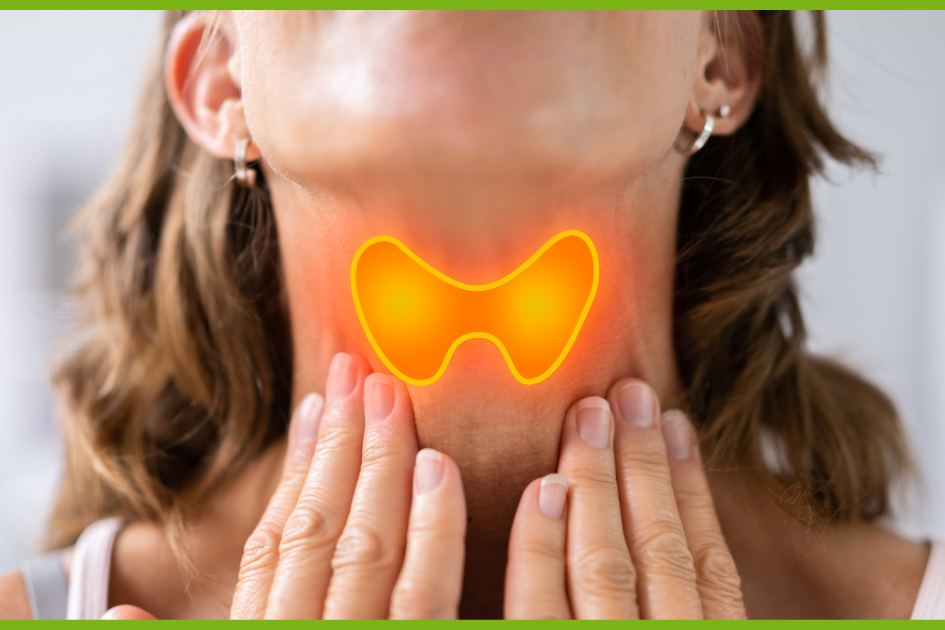
Thyroid Health, Toxic Metals & Fertility Before Pregnancy
Preparing for a healthy pregnancy starts before conception. Thyroid function, nutritional status, and environmental…
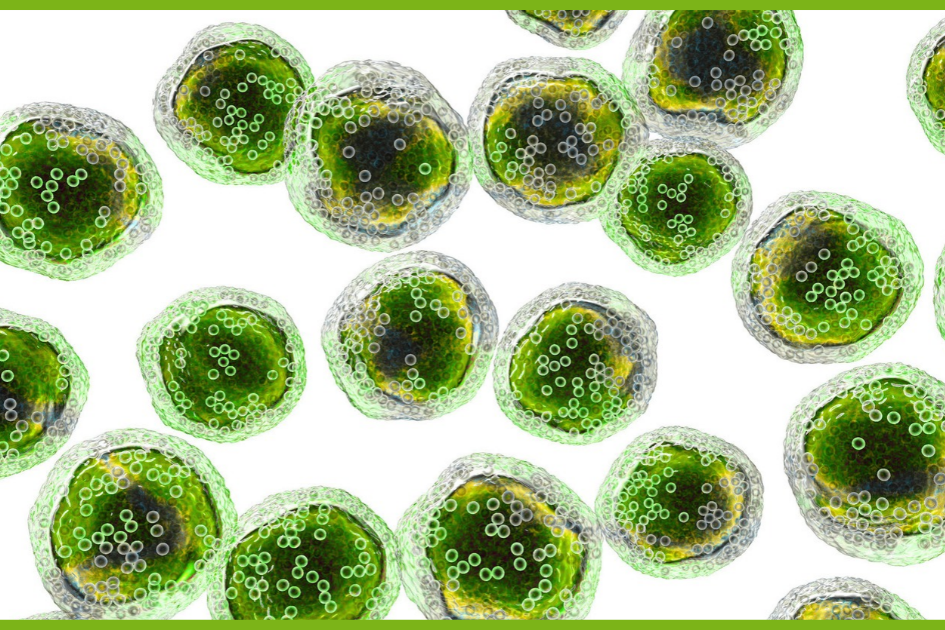
Mast Cells: What They Do, Symptoms and Why They Matter
If you've ever wondered why one patient reacts to a bee sting with a rash and another with a trip to the emergency…
No-Nonsense Functional Medicine
Specializing in root-cause focused, integrative medicine for chronic illness for 25+ years
